Pots & Plates
Aloo Posto Texture Guide: Creamy, Not Gluey
Make aloo posto creamy by using a tested recipe, cutting potatoes evenly, grinding a cohesive poppy seed paste, and measuring the cooking liquid.
Good cooking becomes repeatable when the cook can name what the pan is doing and what should happen next. These guides teach visible cues and troubleshooting without declaring one family's version to be the universal Bengali rulebook.
Make aloo posto creamy by using a tested recipe, cutting potatoes evenly, grinding a cohesive poppy seed paste, and measuring the cooking liquid.
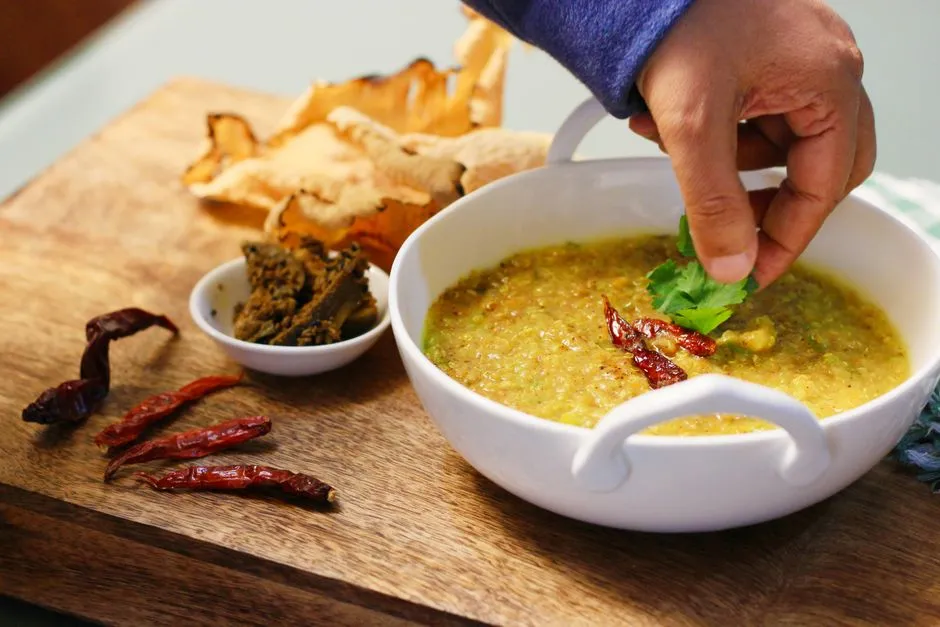
Temper Bengali-style dal after the lentils reach their intended texture.
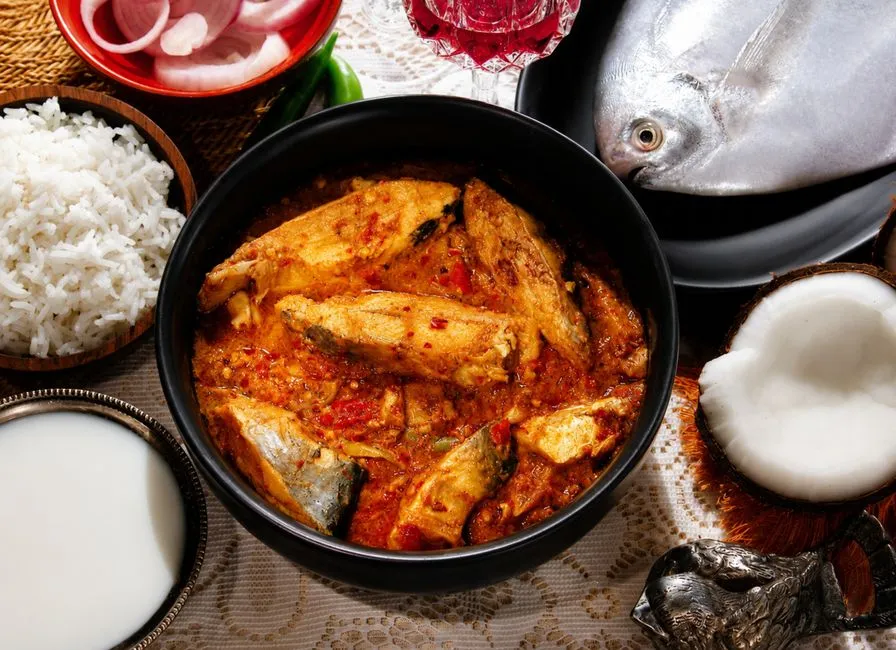
Troubleshoot Bengali fish curry by naming the exact fault and checking the recipe stage where it began.
Make Bengali-style tomato chutney from a tested recipe by cutting tomatoes evenly, tempering spices without scorching, and adding measured sweeteners at…
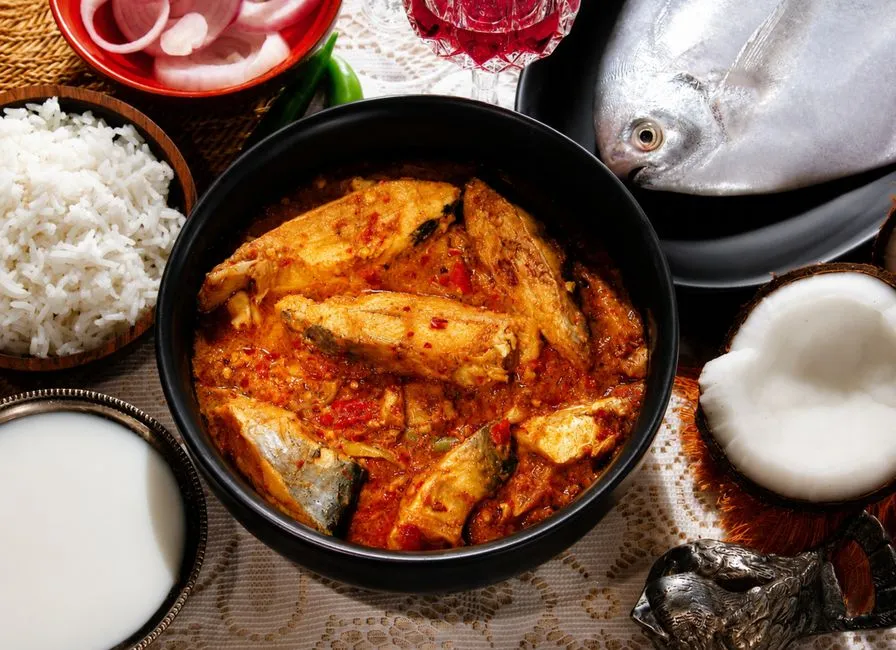
Make crisp bhaja by cutting vegetables evenly, drying the surface as directed, and frying in uncrowded batches with a suitable fat and pan.
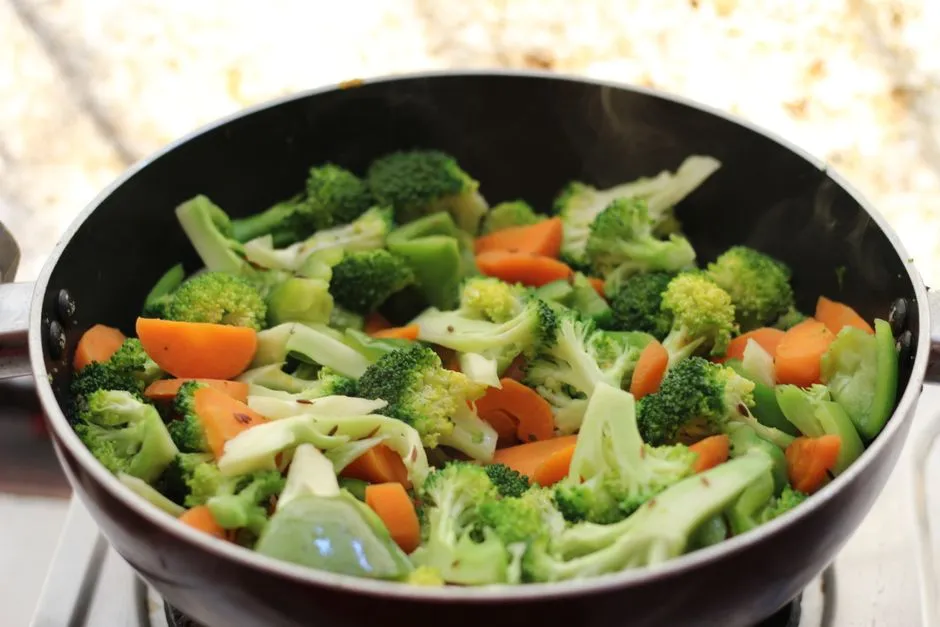
Make bhapa from a tested recipe using parcel materials and a vessel approved for food contact and the appliance.

Cook chorchori from a tested household-style recipe by cutting each vegetable for its density, preparing the whole sequence, and adding ingredients…
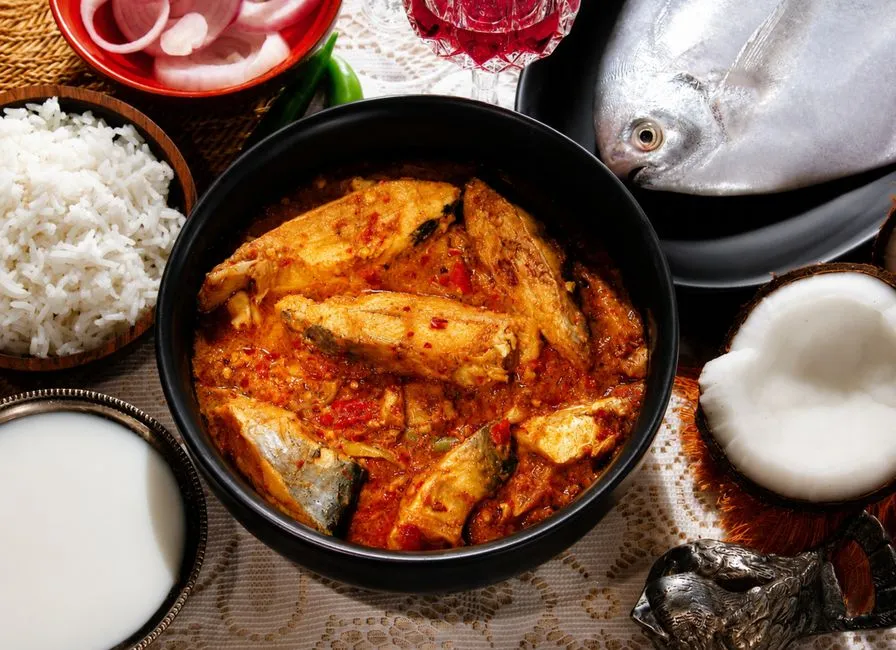
Control khichuri texture by choosing a tested recipe for a loose or thick result, using its specified rice and dal, and measuring liquid carefully.
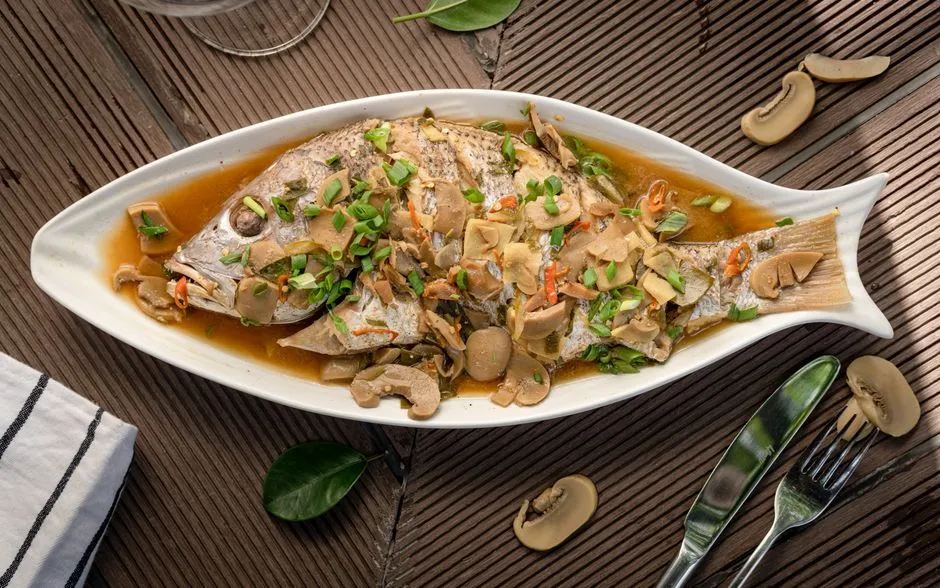
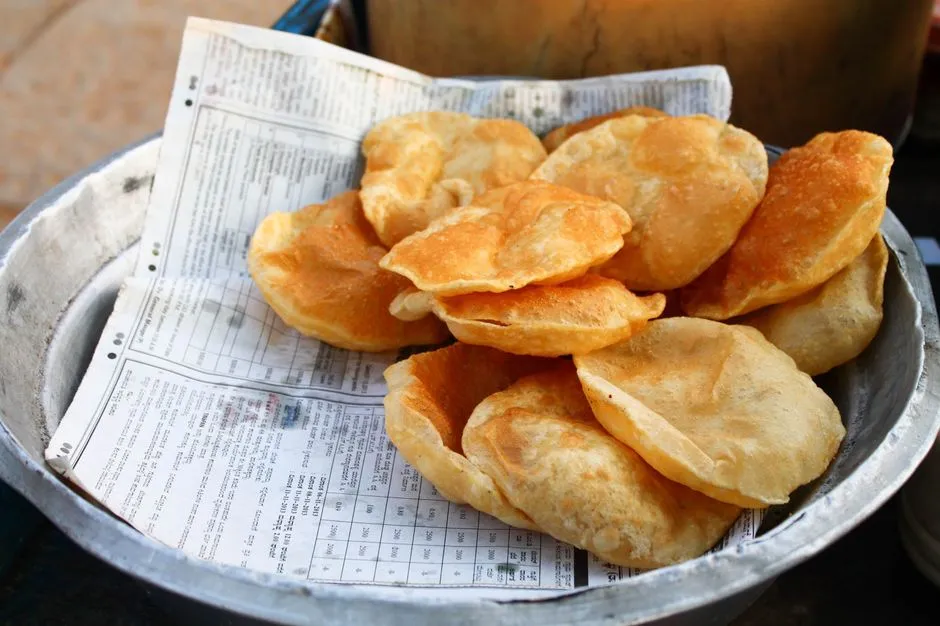
Help luchi puff by following a tested dough formula, completing its rest, dividing even portions, and rolling intact discs with consistent thickness.
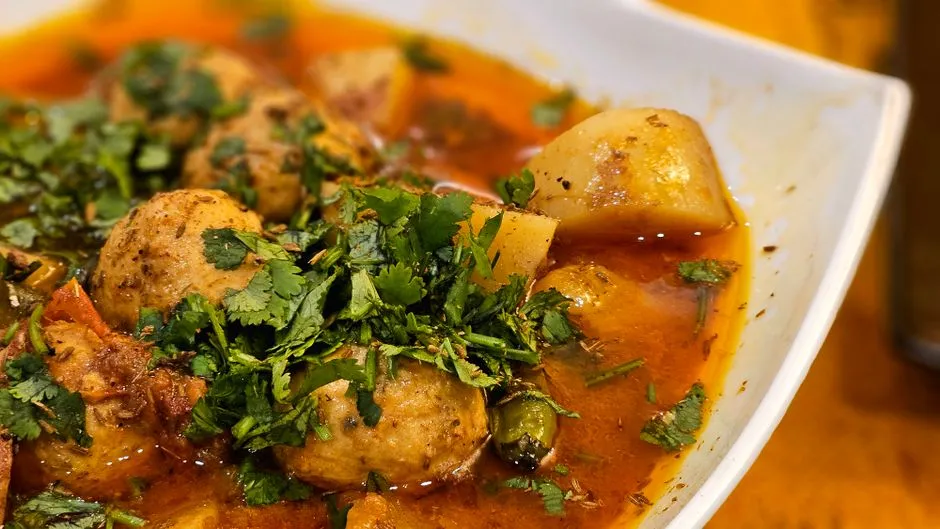
Make a light Bengali-style jhol by choosing a tested fluid-sauce recipe, measuring the spice base and liquid, and cooking aromatics without scorching.