Panch Phoron Guide for a Fragrant Tempering
Read the blend before heating it
Panch phoron is a whole-spice blend used in many Bengali-style dishes, but its exact seeds can vary by recipe, household, and supplier. Common commercial blends may include five among fennel, cumin, fenugreek, nigella, mustard, or radhuni. Read the package rather than trying to identify every seed visually.
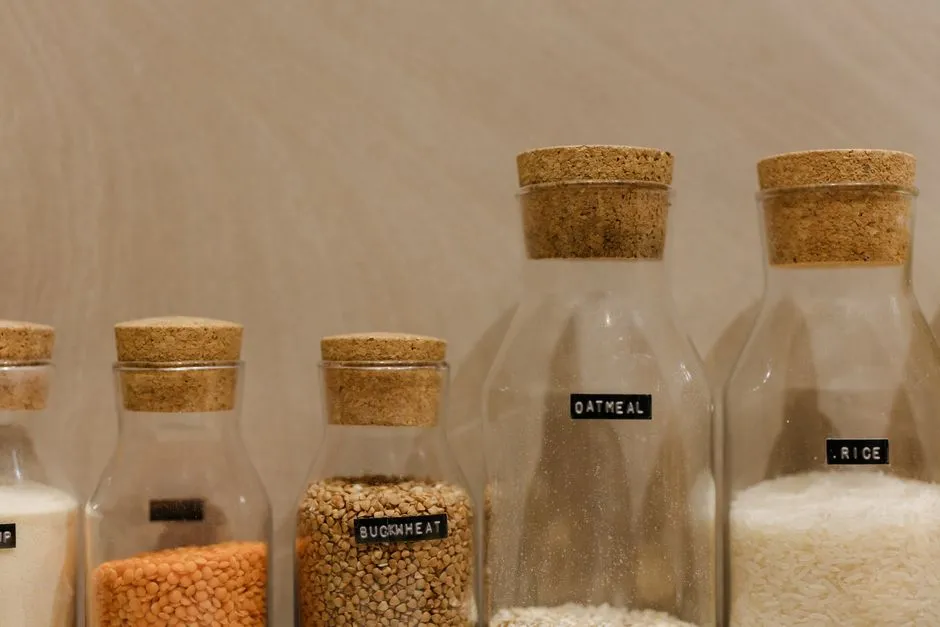
Check allergen information and dietary needs. Keep the original label or copy every useful detail onto the storage container. The Bengali pantry starter list explains how to keep a small, identified blend in context.
Temper a small amount first
Use the quantity, fat, pan, and sequence specified by a reliable recipe. Panch phoron is generally added as whole seeds to heated fat so the spices release aroma, but different seeds change at different rates. Have the next ingredient measured and nearby before tempering begins.
Heat the pan and fat according to the recipe and equipment instructions. Add the blend carefully to avoid splashing, then watch and listen. The seeds may become more aromatic and show movement or color change. Do not walk away. A tempering can travel from fragrant to burnt while the cook is still locating the correct lid.
Use aroma and color as stop cues
The goal is an aromatic tempering, not blackened seeds or visible smoke. When the recipe's cue appears, add the next ingredient promptly or remove the pan from heat as directed. If the spices burn, discard the tempering safely, clean the pan after it has cooled, and restart. Longer simmering will not correct burnt spices.
Hot fat can cause serious burns and fire. Keep children, water, loose fabric, and traffic away from the stove. Use a stable pan, suitable utensils, continuous responsible supervision, and U.S. Fire Administration cooking-fire guidance. Never put water on an oil fire.
Match the tempering to the dish
In dal, the tempered spices may be added at the beginning or finished over the cooked lentils, depending on the recipe. The Bengali dal tempering guide separates the pan work from the final seasoning. In mixed vegetables, the blend may begin the cooking before cut vegetables enter; the chorchori method shows how size and moisture affect that sequence.
Do not grind panch phoron automatically. Its whole-seed texture and staggered aroma are part of recipes built for it. If a recipe calls for ground spices, follow that formula instead.
Adjust strength without rewriting the blend
If the flavor dominates, use less of the same clearly labeled blend next time rather than removing one seed at random and still calling the result identical. If the dish tastes flat, first check freshness, fat quantity, tempering cue, and whether later ingredients diluted the seasoning.
Taste the completed dish only when it is safe to do so, then adjust salt, acidity, heat, or sweetness according to the recipe. Panch phoron supplies aroma and bitterness-sweetness complexity; it does not replace every other seasoning decision.
Store whole seeds well
Keep the blend sealed, dry, labeled, and away from unsuitable heat and light according to supplier instructions. Do not pour a new blend over old unidentified seeds. Smell a small amount before use and discard anything with spoilage, moisture damage, pests, or an abnormal odor.
Record which blend you used and when it entered the pan. That small note turns “last time tasted different” into a clue. Good tempering comes from known seeds, a ready next ingredient, close attention, and a clean stop before scorching.
Use named safety and allergen sources
Use FoodSafety.gov's four steps for handling and the U.S. Fire Administration's cooking-fire guidance for hot-oil work; elsewhere, use local government equivalents. The UK Food Standards Agency, European Commission, and Health Canada list mustard, fish, crustaceans, and molluscs in their allergen rules. Read labels, prevent cross-contact, and discard food if its ingredient or temperature history is uncertain.