Bengali Pantry Starter List for Everyday Cooking
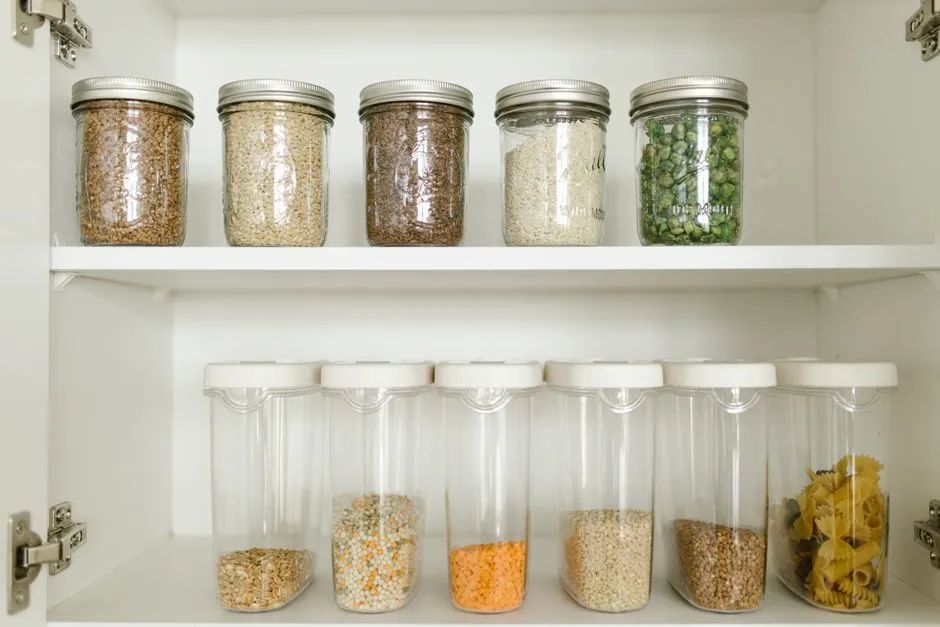
Build a pantry around dishes you will cook
A Bengali pantry starter list should make dinner easier, not turn one shelf into a spice museum with unpaid admission. Choose three or four dishes you genuinely want to make, read the full recipes, and buy the overlapping ingredients first. Regional, household, and diaspora kitchens differ, so no single list is definitive.
Store everything according to its label and FoodSafety.gov's four-step food-safety guidance. Check allergen statements, local rules, and dietary requirements before buying or serving an unfamiliar ingredient.
Start with rice, dal, and a few dry goods
Rice and lentils create a practical base for everyday meals. Buy the type and quantity specified by the recipes you chose rather than assuming every grain or dal behaves alike. The Bengali rice cooking guide focuses on separate grains, while other dishes may need a softer or more cohesive texture.
Useful starting dry goods may include:
- one everyday rice suited to your preferred recipes;
- one or two dals you know how to identify and cook;
- flour for the breads or batters you actually plan to make;
- a modest amount of sugar or jaggery if required;
- a recipe-appropriate thickener or binder.
Keep dry goods sealed, labeled, and rotated. If moisture, pests, mold, an unusual odor, or damaged packaging is present, do not use the ingredient.
Choose whole spices with a job
Begin with salt, turmeric, cumin, coriander, dried chile, and the whole spices named repeatedly in your recipes. A small amount stays fresher and teaches more than a large bag that survives three house moves.
The panch phoron guide explains how to read a five-spice blend and temper it without burning. Do not assume two blends contain identical seeds. Read the package, account for allergens and sensitivities, and label any transfer jar with the product name and date.
Ground spices are convenient, while whole spices allow different tempering and grinding methods. Neither form is morally superior. Buy the one your cooking routine can store and use well.
Add fats and sharp flavors carefully
A neutral cooking oil handles many tasks. Mustard oil contributes a more assertive flavor in recipes designed for it; the mustard oil cooking guide explains the U.S. restriction on expressed mustard oil, external-use-only labels, culinary-label checks, and heat safety. Do not cook with a product labeled for external or topical use.
Fresh ginger, garlic, onion, tomato, green chile, citrus, coconut, and fresh herbs can shape a dish, but they are not all required at once. Buy only the quantity of perishable ingredients that can be refrigerated, tracked, and used safely.
Keep two flexible flavor builders
Choose one seed paste or ground-spice preparation and one sour or sweet element that appears in your selected recipes. Mustard paste, poppy seed paste, coconut, yogurt, tomato, and dried fruit each behave differently. Learn one before stocking all of them.
Never treat a substitute as automatically equivalent for allergy, dietary, or religious purposes. Check the full ingredient and preparation requirements of the dish. Where a health condition or religious dietary rule matters, consult a qualified clinician or registered dietitian familiar with the individual situation.
Label the pantry for real use
Write the purchase or opening date on packages, keep instructions, and group ingredients by function: grains and dals, whole spices, ground spices, oils, and occasional ingredients. Store strong aromas and vulnerable dry goods appropriately.
Review the shelf before shopping. Replace only what you use or what a planned recipe requires. A useful starter pantry grows from repeated meals: one new ingredient enters, earns its space, and teaches the cook what it does.
Use named safety and allergen sources
Use FoodSafety.gov's four steps for handling and the U.S. Fire Administration's cooking-fire guidance for hot-oil work; elsewhere, use local government equivalents. The UK Food Standards Agency, European Commission, and Health Canada list mustard, fish, crustaceans, and molluscs in their allergen rules. Read labels, prevent cross-contact, and discard food if its ingredient or temperature history is uncertain.