Mustard Paste Without Harsh Bitterness
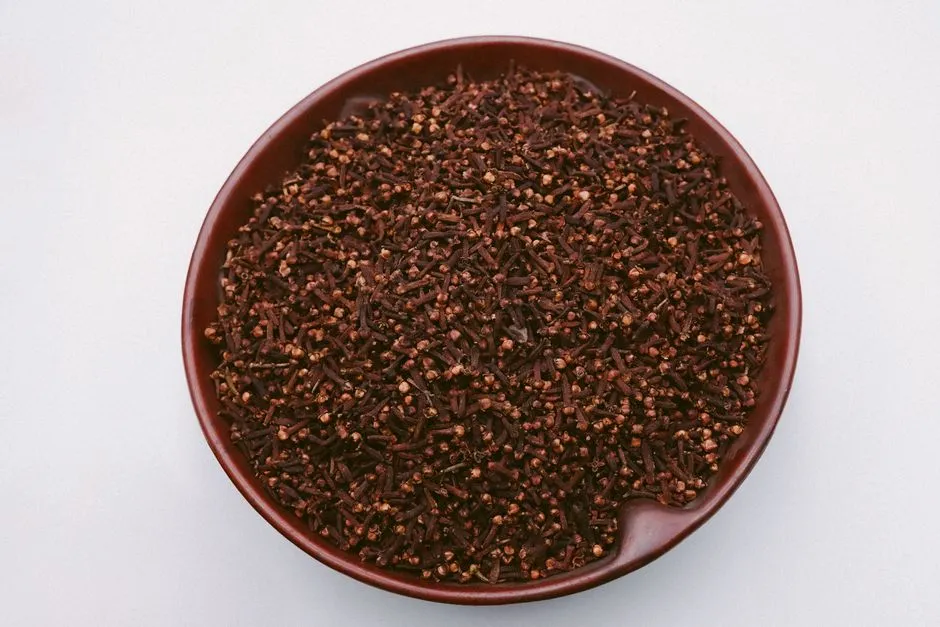
Begin with known seeds and a tested method
Mustard paste can be pleasantly sharp, but uncontrolled bitterness can dominate a dish. Start by identifying the mustard seed or prepared product in the recipe. Seed varieties and blends differ, and a substitution may change heat, color, and bitterness.
Check the label for allergens, additives, and intended use. Use clean equipment and FoodSafety.gov's four-step food-safety guidance. If mustard allergy or another medical dietary issue applies, do not experiment with exposure; consult a qualified clinician or registered dietitian familiar with the individual situation.
Soak only as the recipe directs
Some methods soften seeds in water before grinding, while others use a different liquid or sequence. Follow a tested formula rather than assuming a single soak works for every seed. Measure the liquid and time so the next batch can be compared.
Drain or retain liquid according to the recipe. Discard seeds that smell stale, rancid, moldy, or otherwise abnormal; soaking does not restore spoiled ingredients.
Grind in a small workable batch
Use the equipment and minimum batch size recommended by its manufacturer. A jar that is too large for the seed quantity may throw everything against the walls while the blades polish the empty center. Stop the machine safely before scraping, and never place tools or fingers near moving blades.
Add only the recipe's liquid, salt, or other ingredients. Grind to the intended texture without running the appliance beyond its instructions. Excessive grinding, heat from the machine, seed type, and formula can all affect the result, so record the process rather than blaming one factor immediately.
The mustard oil cooking guide separates oil choice and heat control from seed-paste preparation; similar names do not make the products interchangeable.
Taste a safely prepared sample
Taste only when the paste and any other ingredients are safe to consume. Assess sharpness, bitterness, texture, and salt separately. If the paste is aggressively bitter, do not add it to the whole dish.
First compare the recipe, seed identity, freshness, soaking, grinding time, and machine heat. If the method includes blending with another ingredient or diluting to a sauce, test that in a small portion. Avoid adding random sugar or acid before identifying whether the base paste is usable.
Cook it gently when the dish requires
Some preparations use mustard paste in a cooked sauce or steamed mixture. Follow the recipe's order and heat cues. High or prolonged heat may change texture and flavor, while undercooking other ingredients can create safety problems. The bhapa steaming guide explains safe parcel setup, and the fish curry troubleshooting guide helps isolate sauce problems from fish handling.
Keep hot pans and steam under responsible control. Do not lean over opening steam, and keep children away from appliances and hot vessels.
Strain only when the recipe benefits
If coarse hull texture is unwanted, a tested method may call for straining. Use a clean suitable sieve and press safely. Straining changes yield and body, so do not assume it is required for every household version.
Store leftover paste only under a reliable recipe and FoodSafety.gov's four-step food-safety guidance. Label the container, refrigerate when required, and discard it if safety, age, or condition is uncertain. Small fresh batches are easier to label and use promptly.
Keep a paste record
Write down the seed, source, amount, soak, grinding method, liquid, and finished flavor. Change one factor next time. A smooth mustard paste with controlled bitterness comes from fresh known seeds, a recipe-matched soak, a workable grinder batch, and restraint before the paste enters the main dish.
Use named safety and allergen sources
Use FoodSafety.gov's four steps for handling and the U.S. Fire Administration's cooking-fire guidance for hot-oil work; elsewhere, use local government equivalents. The UK Food Standards Agency, European Commission, and Health Canada list mustard, fish, crustaceans, and molluscs in their allergen rules. Read labels, prevent cross-contact, and discard food if its ingredient or temperature history is uncertain.